A farm stay in Italy is not a hotel with a few chickens in the yard. It is a working place with its own clock, and the best first visits are the ones where you adjust to that clock rather than fight it. Mornings begin with animals and coffee. Middays slow down. Evenings are long, often at a shared table. If you arrive expecting room service, you may miss the point. If you arrive curious and flexible, you will notice how much of the pleasure comes from small routines: the smell of cut grass, the sound of gates opening, the host setting out a second pot of coffee because you are still at the table.
The Shape of a Farm-Stay Day
Days vary by region and by property, but the general rhythm is consistent. Someone is up before guests, usually because animals do not wait for a convenient hour. Breakfast may run from early to mid-morning. Lunch, if it is offered, tends to be a midday meal. Dinner is usually in the evening and at a set time. Do not treat these as hotel hours. Ask when you book and again on arrival, especially if you plan day trips or want to be out before breakfast.
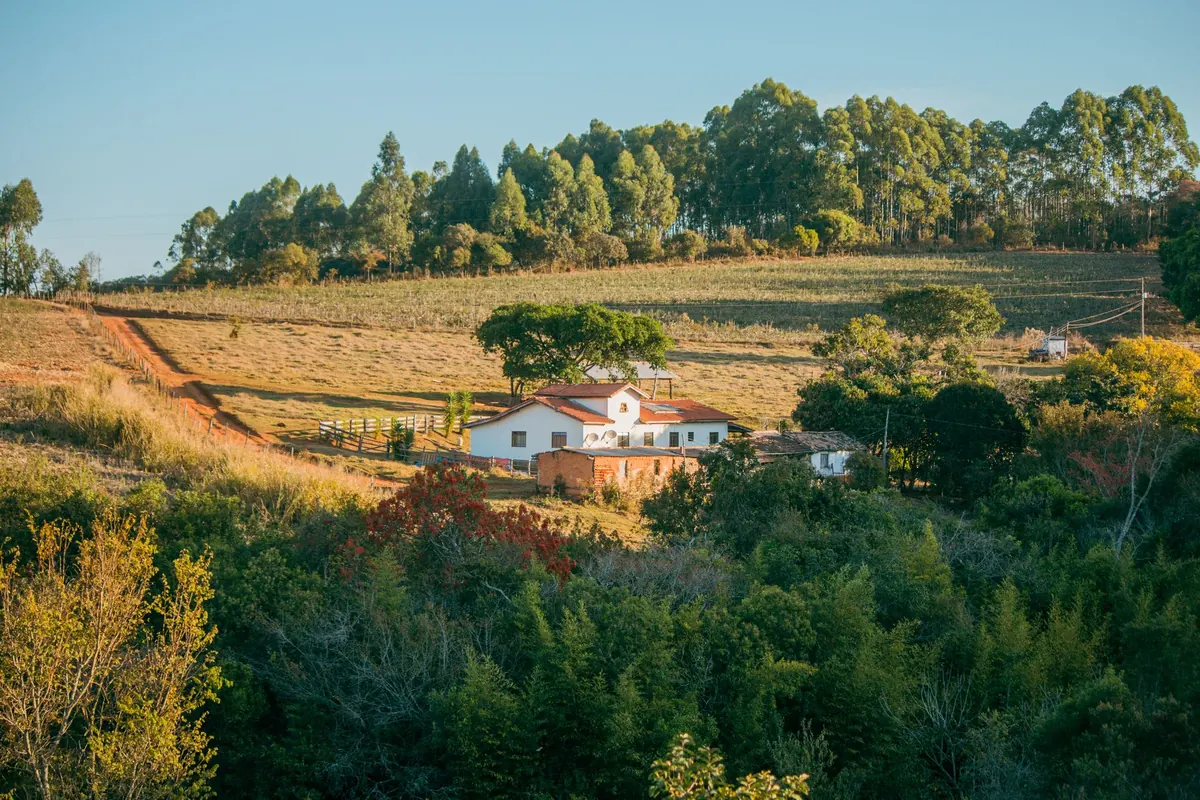
You will see the word agriturismo used widely in Italy. Not every farm stay uses that term, and not every farm holiday feels the same. Some are deeply agricultural, with tractors moving through the yard and family members coming in from the fields. Others are quieter, with a garden, a few animals, and simple guest rooms. The one constant is that the property has a life beyond your room.
Breakfast, Coffee, and the Morning Window
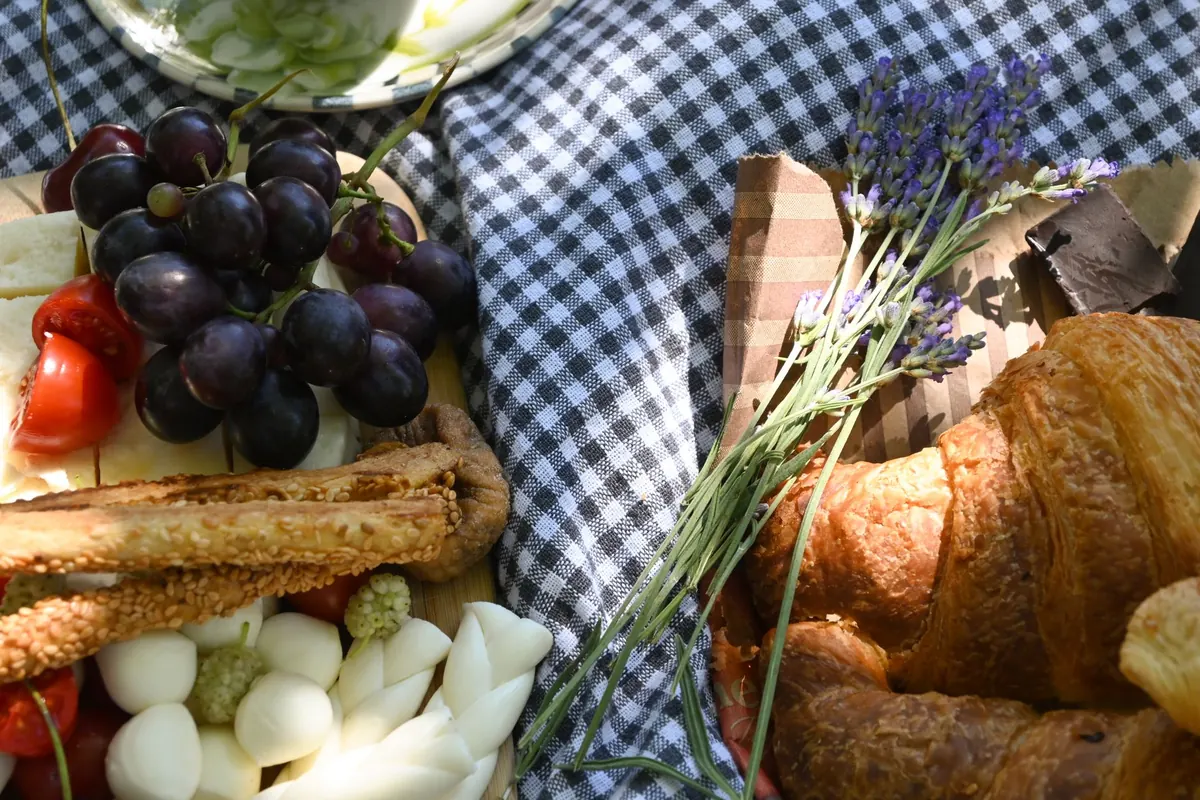
In many Italian farm stays, breakfast is simple and good: coffee, milk, bread, jam, fruit, perhaps yogurt, cheese, or eggs from the farm. It is not usually an all-morning buffet. The window may be short, especially on a working farm where the family has animals and jobs waiting. If breakfast is included, confirm the time. If it is not, ask whether there is a shared kitchen, a small fridge for guests, or a village café within easy reach. Do not assume you can cook in the family kitchen at any hour.
Watch the first morning
On your first morning, pay attention to how the household moves. Where do you leave dirty cups? Is coffee made in a pot and left on the stove, or does the host prepare it? Are there labelled shelves in the fridge? Small observations save awkward questions later. If you are an early riser and the house is still quiet, step outside rather than moving chairs around the kitchen. A bench in the yard is often the best breakfast table anyway.
Animals, Gardens, and Helping Out
Animals are often the reason people choose a farm stay, but they are not there for entertainment. Never enter a barn, pen, or fenced field without being invited. Close gates behind you. Keep children calm and supervised, and ask before feeding anything, even the chickens. Farm dogs may be friendly but working; let them come to you. The same goes for cats, donkeys, and goats that seem accustomed to people. A relaxed animal is not necessarily an invitation to pet it.
If you want to help, say so. Tasks may be seasonal: collecting eggs, picking vegetables, watering plants, moving hay, or simply setting the table. The host may not need help, and that is fine. Do not treat chores as a guaranteed activity, and do not wander into the vegetable garden to “help” by picking something for dinner. Ask first. A short, genuine offer is welcome; a guest who disappears into the tool shed is not.
- Ask if there is a farm tour or a good time to see the animals.
- Ask where guests may walk and where they should not.
- Ask whether boots or old shoes are needed after rain.
- Ask if children can join feeding or collecting, and what supervision is required.
Lunch, Dinner, and the Table
Meals can be the heart of a farm stay. Dinner is often a fixed menu rather than a restaurant-style list of choices. You may sit with other guests, with the family, or at a table of your own, depending on the property. Conversation may be in Italian, English, or a mix of both. If you have dietary needs, say so well before arrival, not at the table when the plates are already being served. Confirm whether meals are included, served only on certain days, or paid separately. That one question prevents most awkwardness.
A slower kind of dinner
Expect dishes to arrive as they are ready, not all at once. A typical farm dinner might include a few small starters, a pasta or soup, a main dish with vegetables, fruit, and coffee. House wine may be offered; if you do not drink alcohol, say so simply. Portions can be generous, and you are allowed to decline a second helping. The meal may last longer than you planned. That is not a delay. It is the evening.
Quiet Hours and Countryside Sounds
Country quiet is not the same as silence. Roosters, dogs, tractors, gravel under tires, church bells, and insects all belong to the soundscape. Bring earplugs if you are sensitive. Many farms ask guests to keep voices low after dinner and before breakfast, because sound carries across courtyards and open windows. If you arrive late, ask about the best arrival window in advance and keep car doors and conversations quiet.
Shutters keep rooms dark and cool; use them as the family does. Mosquitoes can be part of summer in many rural areas, so pack repellent and wear long sleeves in the evening if you are bothered. Wi-Fi may be strongest near the main building, or it may be limited. Download maps and any tickets you need before you travel. A farm stay is a good place to depend a little less on your phone.
Practical First-Time Prep
Pack for uneven ground and changing weather: sturdy shoes, a light rain layer, a warm layer for evenings, a torch, a refillable water bottle, and mosquito repellent in warm months. Bring a small bag for dirty shoes or clothes if you plan to walk in fields. If you rely on mobile data, check coverage before you go. A little preparation makes the daily rhythm easier to enjoy.
- Confirm your arrival time and whether someone will be there to meet you.
- Ask about breakfast, dinner, and any shared kitchen access.
- Mention allergies or dietary needs early, in writing if possible.
- Ask about the final stretch of road, parking, and whether a small car is better.
- Check whether towels, soap, and a hairdryer are provided.
Before You Arrive: A Short Practical Closing
Send a short message before you travel. Ask whether dinner is available on your arrival night and at what time. Ask if there are shops nearby, whether cash is useful for small extras, and what you should bring for the season. Keep your expectations modest and your curiosity high. A farm stay rewards guests who treat it as a home with work going on around them: arrive on time, ask before you touch or enter, and leave a little room in your day for the unexpected.
Photo: Lucas Pezeta / Pexels