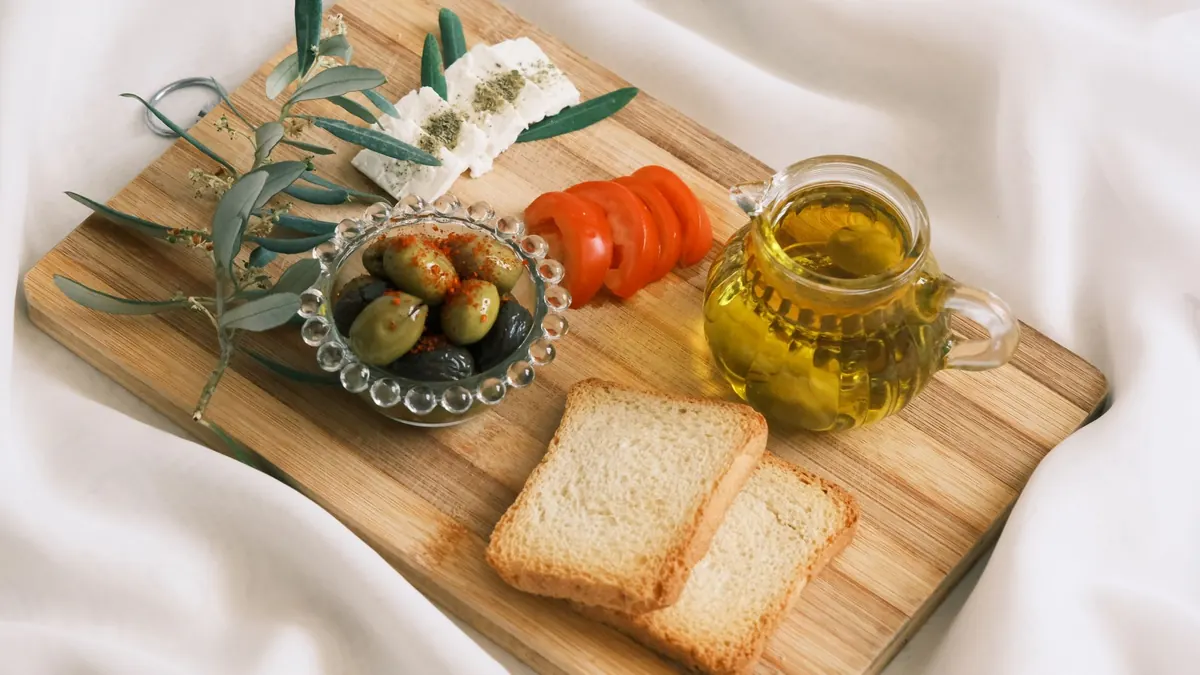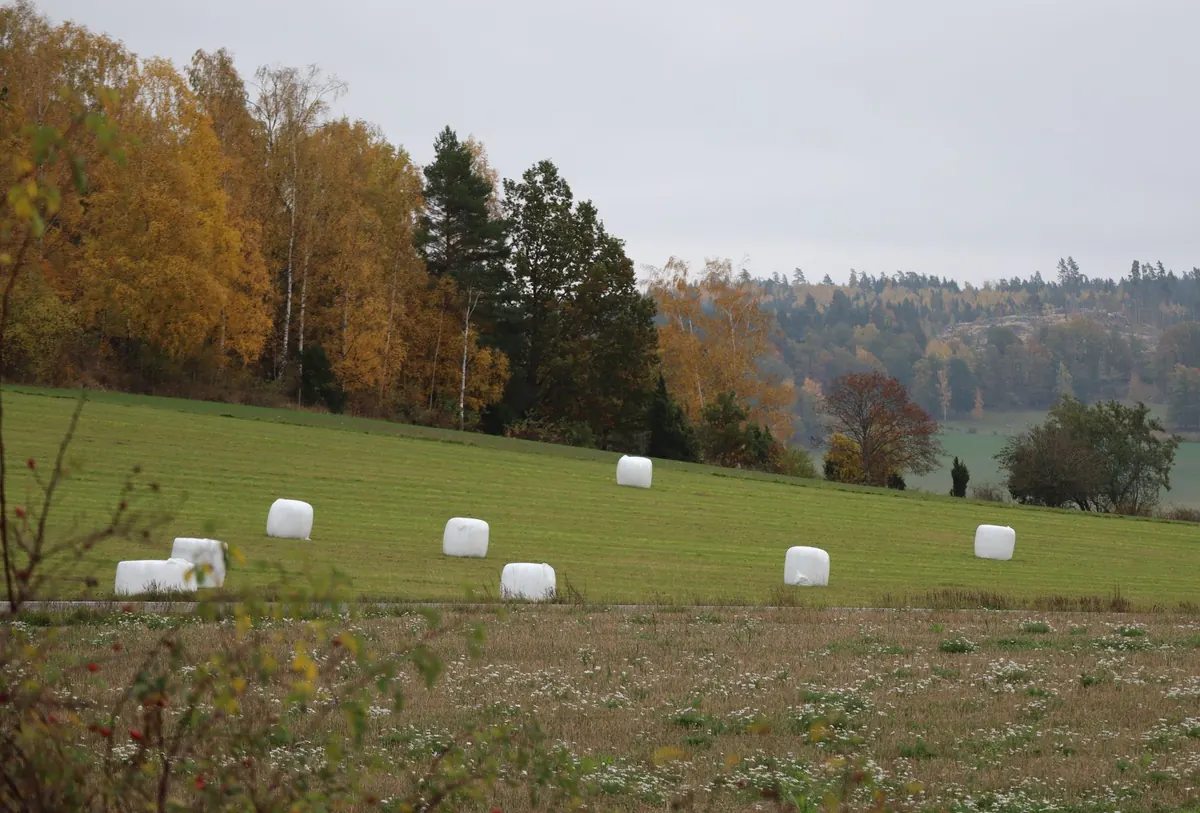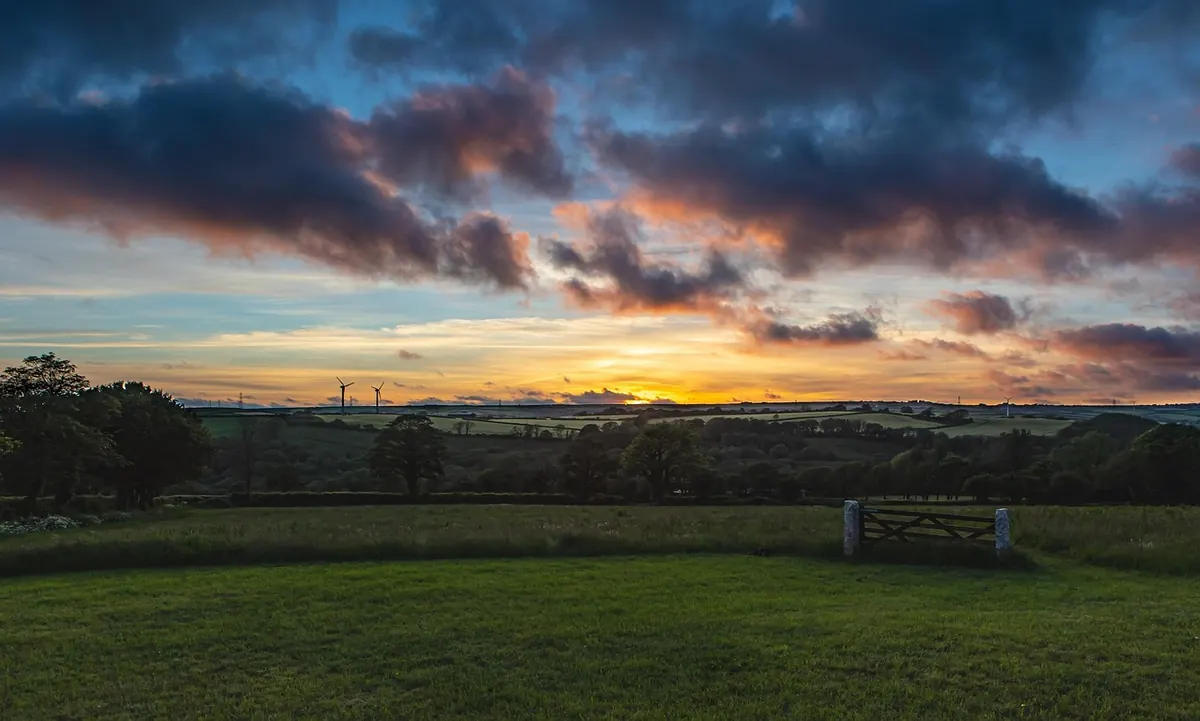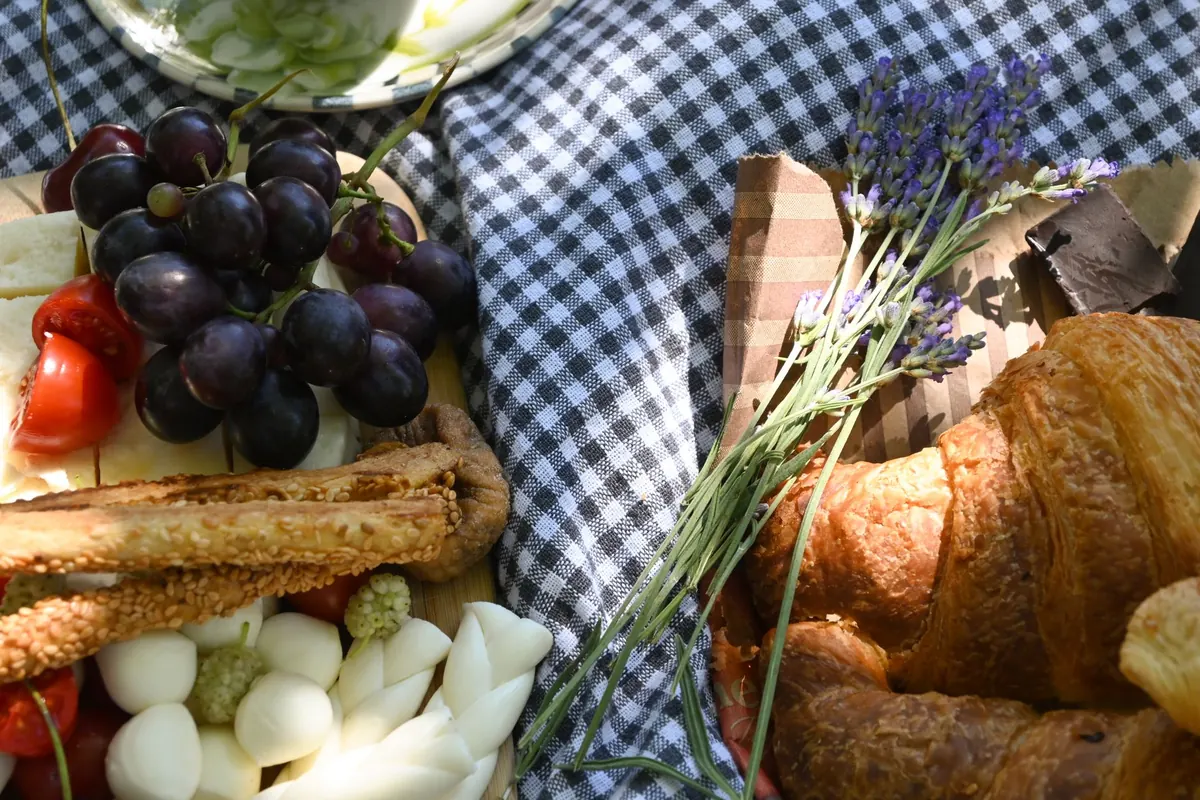
The best lunch of a farm stay is rarely the one you book. It is the one you assemble: a loaf bought warm, a wedge of cheese cut from a wheel that still smells of the barn, two kinds of salami, a punnet of apricots softening in the heat, and a bottle of white from the next valley. Twenty minutes of shopping, ten minutes of packing, and then two hours of doing very little under a tree.
What follows is how to put that together without overbuying, without a bag full of squashed produce, and without turning a small pleasure into an operation.
Begin With the House, Not the Shop
Before you drive anywhere, walk the property. Rural places usually have something to contribute: a few tomatoes in the garden, rosemary and sage by the door, a lemon tree, a wooden board, a jug, a bottle opener in the second drawer. Ask your host what is in season, where they buy bread, and which day the village market runs.
That one conversation saves a lot of guesswork. You will also learn the local rhythm: many small bakeries close one afternoon a week, and village shops still shut for a couple of hours around midday. If you plan to shop at eleven and eat at one, check that the shop will still be open at eleven.
Ask two more things while you have your host's attention: whether the tap water is drinkable, and whether there is a cloth or blanket you can take out for the afternoon. Both are small details that decide whether the picnic feels easy or improvised.
The Short List: Five Things Worth Buying
A good picnic does not need a market's worth of food. Five categories, bought in sensible quantities, are enough for two or three people.
- Bread — one firm loaf or a slab of focaccia, bought the day you eat it.
- Cheese — one hard, one soft, both cut fresh from the counter.
- Cured meats — two kinds, sliced thin, enough for the sandwiches and a little left over.
- Fruit and vegetables — whatever is ripe that morning, in amounts you can finish.
- Wine and water — a local bottle, and more water than you think you need.
For the wine, ask the host or the shop for something made in the province. Keep it simple: a young white, a light red, a bottle of local sparkling. If you are walking to your picnic spot, take a small bottle rather than a full one, and remember the corkscrew — a screw cap is not a compromise, it is good sense. Red suffers less than white in a warm car, so if the bag will sit in the sun for an hour, choose accordingly. Keep the bottle in the shade, and if you are driving afterwards, leave it closed.
From the kitchen, add olive oil, salt, a small sharp knife, a board, a cloth, napkins and a bag for the rubbish. Those are the items people forget, and they are the ones that make the difference between eating well and eating awkwardly.
Bread: Buy It the Morning You Eat It
Freshness is the whole point, so buy bread the day you plan to eat, ideally early. A country loaf with a dark, firm crust — a pagnotta, a pane casereccio — travels far better than anything soft and sliced. Ask for it whole and cut it at the picnic, or have it sliced if you will eat within a few hours.
Focaccia earns its place because it works as both bread and plate; a piece of onion focaccia with cheese on top needs nothing else. If the bakery is shut, buy the day before and refresh the loaf: sprinkle it with water, wrap it in a cloth and warm it briefly, or grill the slices and rub them with tomato and oil. Bread that has gone a day stale is still excellent eating in Italy; bread that has been in a plastic bag in a hot car is not.
Cheese and Salumi: Two of Each Is Usually Enough
Buy cheese from a counter, not a shelf, and ask for a small piece rather than a pre-cut slab. A young pecorino, a piece of aged parmigiano, a caciocavallo — these handle a few hours in a bag without complaint. Soft cheeses are another matter: mozzarella, ricotta and fresh goat's cheese want to be eaten early and kept cool until then. Buy them if you are picnicking close to home, and skip them if the bag will sit in a warm car.
For cured meats, two kinds is plenty: a little prosciutto crudo, some coppa or a local salame, sliced thin and wrapped in paper rather than sealed in plastic. Ask the person behind the counter what they would take on a picnic. They will know which of their salumi are at their best that week, and they will usually cut it a little more generously than the label suggests.
Keeping things cool without a cooler
A frozen bottle of water at the bottom of the bag does most of the work. Wrap cheese in paper and then in a cloth, since plastic traps moisture and turns a crust sweaty. On genuinely hot days, simplify: hard cheese, whole fruit and cured meats cope with warmth far better than anything creamy. Put soft items in the shade, eat them first, and if something has been sitting in the sun for hours, leave it alone.
Fruit and Vegetables From the Roadside
The best fruit is usually found at a stand at the edge of a village or at the small weekly market, sold by the person who grew it. Buy what is ripe now, not a week's supply. Peaches, apricots, cherries, grapes and figs are all picnic food; figs are delicate, so lay them flat and eat them first.
A melon is worth it only if you have a knife and a board, and somewhere to cut it. Tomatoes need nothing but salt and a little oil. Wash everything at the tap before you leave, bring a small knife and a bag for stones and skins, and buy two of something unfamiliar rather than a kilo of it.
Pack It, Then Choose Your Hour
Order matters more than equipment. A sturdy bag and a little care will get everything there intact.
- Frozen water bottle or cool pack at the bottom, wrapped in a cloth so it does not soak everything.
- Soft cheese and anything delicate directly above it.
- Board, knife, corkscrew, salt and oil in a small tin, so nothing leaks into the bread.
- Fruit in a rigid container where it cannot be crushed.
- Bread on top, in its own bag.
- Cloth, napkins and a rubbish bag in the outside pocket.
Then pick your hour. Aim to eat around one, when the light softens and the heat eases, rather than at noon in the middle of a field. Look for shade with a breeze: a stone wall, the edge of a wood, a farm table under a pergola. Check the ground for ants before you sit down, keep the food covered between courses, and take the rubbish back with you — rural bins are often scarce, and a host will notice.
The Morning-Of Checklist
Five minutes before you leave the house, run through this:
- Bread bought today, or refreshed; cheese and salumi cut and wrapped in paper.
- Fruit washed, knife and board packed, salt and oil in a closed container.
- Water frozen overnight, wine in the shade, corkscrew accounted for.
- Cloth or blanket, napkins, and a bag for rubbish and recycling.
- Phone charged for the walk back, and someone at the farm knows roughly where you are.
Then stop planning. The point of a picnic at a farm stay is that it takes almost no effort and gives back an entire afternoon — so buy a little less than you think you need, find a piece of shade, and let lunch run long.
Photo: ilayda 0700 / Pexels