A farm stay is not a hotel with a nicer view. The room you are about to sleep in sits inside a working system of animals, machinery, weather and people who were up long before you. The tractor that clatters past at half past six is not careless — it is the reason there is fresh milk, cut hay or a tidy yard by the time you come down for breakfast.
Most of what makes a farm stay go well comes down to a handful of small courtesies, and nearly all of them grow from one idea: you are a guest in someone's workplace and someone's home at the same time. Here is what is worth knowing before you turn off the main road.
Arrive when you said you would
Your host is often the same person who feeds the animals, moves the irrigation, meets the vet and cleans the rooms. When you give an arrival window, that window shapes their afternoon. If you are running late — a missed ferry, a wrong turn, a child who needed a stop every forty minutes — send a message. A quick note is far better than a host pacing the yard wondering whether to start dinner.
Two practical details save a lot of trouble. First, plan to arrive in daylight if the last stretch is unpaved, since gravel lanes and farm tracks look very different after dark. Second, call from the nearest village rather than trusting a navigation app to find the right gate; rural addresses often end at a postbox, not a front door.
And if your booking was for two, do not appear with four. Extra guests mean extra beds, extra water, extra breakfast and, on some farms, an insurance problem. Ask first and let your host decide.
Keep the quiet hours, and forgive the farm's own noise
Ask at check-in what the quiet hours are, then treat them as firm. Converted barns and stone farmhouses carry sound in strange ways: a chair scraped on a terrace at midnight can travel further than you would believe, and voices carry across a courtyard even when they feel like a whisper.
The exchange runs both ways. You may hear dogs, roosters, a pump, a delivery at dawn or a generator during harvest. That is the trade for staying somewhere real. If you are awake early, close doors gently, keep phone calls indoors and let the rest of the house sleep. Earplugs are a reasonable thing to pack.
Learn the boundaries before you wander
Farms are full of invisible lines that matter. Before you set off on a walk, ask your host which routes are open, which fields are off limits and where the public path actually runs. Then follow what you are told rather than what looks inviting.
Gates, fences and crops
Leave every gate exactly as you found it. A gate that was closed stays closed; one that was open stays open, unless your host tells you otherwise. Climbing a fence damages it and, on electric fencing, is genuinely unwise — assume any wire you can see is live. A field of tall grass may be a crop, not a meadow, and walking through it flattens money.
Machinery and sheds
Tractors, trailers and workshops are tools, not playground equipment. Do not climb, sit, open or photograph yourself behind the wheel. Ladders, tool racks and grain stores are hazardous even when they look harmless, and a machine that appears off may still be holding pressure or heat.
If you would not walk into a stranger's office kitchen and start opening cupboards, treat the farmyard the same way.
Look at the animals; don't feed them
Animals are the reason many guests book a farm stay, and they are also where well-meant mistakes happen. Feeding a horse, a goat or a farm dog without permission can cause real harm: diets are managed, medication may be in the feed, and a hand-fed animal quickly learns to push at every visitor.
- Ask before touching. Some animals are friendly, others are protective, and a mother with young is best admired from a distance.
- Keep children close and calm. No chasing, no cornering, no squealing at close range.
- Stay out of pens and barns unless you have been invited in, and never leave a gate open behind you.
- Watch your hands. Wash them after any contact with animals, and keep children away from feed buckets and water troughs.
If you want a proper animal experience, ask about it. Many hosts are happy to arrange a feeding round or a barn visit at a sensible time, and you will get far more out of it than from a snatched pat over a fence.
Treat the plumbing and the bins as though they matter
Rural systems are usually small and often delicate. A house on a septic tank cannot absorb what a city sewer can, and a farm's waste collection may run on a schedule you cannot guess.
Water and drains
Put nothing down the toilet except what belongs there and the paper provided. Wipes, cotton buds, sanitary products and leftover food are the usual culprits. In the kitchen, scrape grease into the bin rather than rinsing it down the sink, and keep showers reasonable if you know the water comes from a well or a limited tank.
Rubbish, recycling and compost
Ask where things go on your first day rather than at the end of your stay. Many farms sort more finely than visitors expect and may compost food scraps separately. Never leave a bag outside a full bin; wildlife will find it within hours, and you will spend the next morning picking it up.
Shared kitchens and shared spaces
Wash up as you go, label your food in a shared fridge, and leave the sink clear. If there is a barbecue or a fire pit, ask before lighting it and check the rules on open flames — a dry week makes the answer a firm no.
Wildlife, ticks and the long grass
The animals around a farm are not all domesticated, and the ones that are not should stay that way. Do not feed foxes, birds, or anything that wanders into the yard, however appealing it looks. Food left out teaches wildlife to approach people, which rarely ends well for the animal.
In long grass and woodland, check yourself and your children for ticks after a walk, and wear long trousers and closed shoes if you plan to go off the mown paths. Shake out boots left outside. Step heavily rather than reaching blindly into woodpiles and stone walls, and if you find a snake, stop, back away and tell your host — no closer inspection is needed. Rodents in a barn are ordinary; keep food sealed and doors closed.
A five-minute check before you arrive
Before you leave home, run through the practical points that most often catch guests out.
- Confirm your arrival time, and message again if it changes.
- Ask whether the last stretch of road needs a specific route, and whether a normal car is fine.
- Pack closed shoes and a waterproof layer; farm tracks are muddy more often than not.
- Tell your host about extra guests, dogs or small children in advance.
- Note any allergies or mobility needs so that paths and rooms can be discussed.
Finally, ask questions. Good hosts would rather answer "is this gate all right to open?" than discover a problem later, and most are glad to explain how the farm works. A few small courtesies on your side keep the place running for the guests who come after you — and usually earn you a warmer welcome on your next visit.
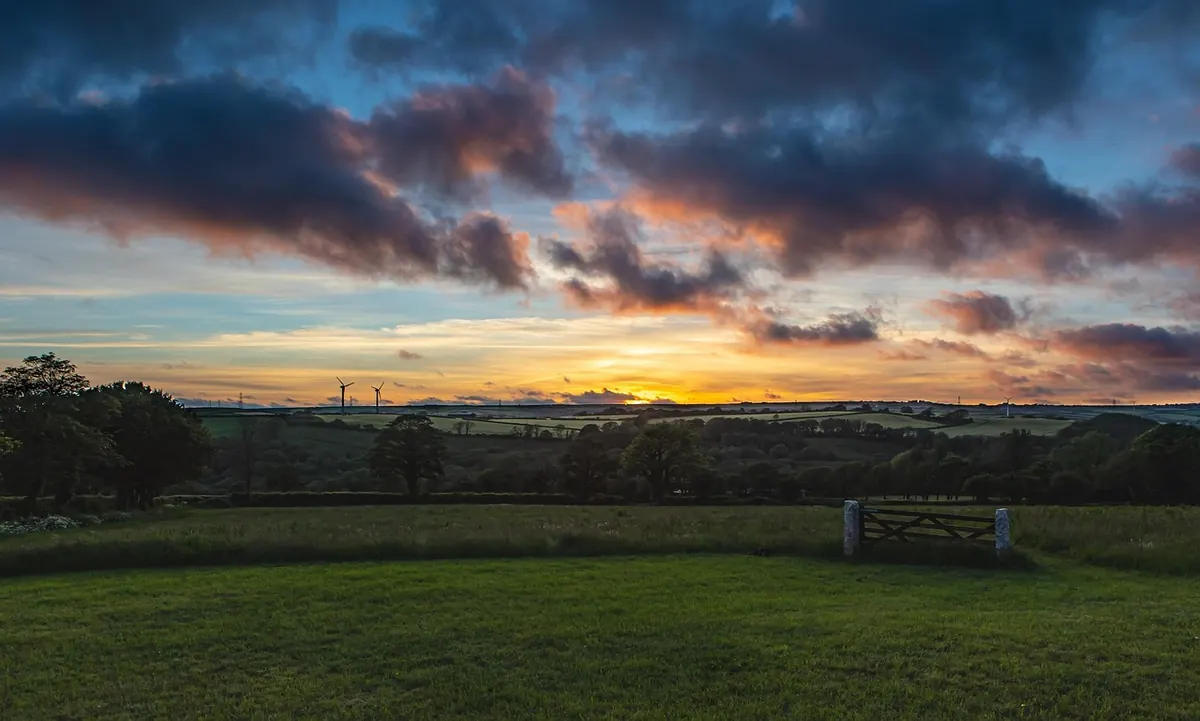
Photo: TheOtherKev / Pixabay