A farm stay is not a hotel with better scenery. It runs on the rhythm of the land around it, and that rhythm changes dramatically between March and January. The same gravel lane that is ankle-deep in mud in spring is dust-dry and buzzing in July, and silent under fog in December. Knowing what each season actually feels like — not the postcard version, the real one — is the difference between a good week and a week spent wishing you had packed differently.
Spring: Mud, Blossom, and the Year's First Work
Spring arrives unevenly in the Italian countryside. One week you eat lunch outside in a shirt; the next, the wind comes down off the hills and you are hunting for a jumper. Daytime temperatures in the teens and low twenties are typical by April, but nights stay cold, and the ground holds water for weeks after the last serious rain.
This is the busiest season on the farm and the most rewarding to witness. Vines are pruned, beds are turned, seedlings go in, and the vegetable garden shifts from bare earth to something you can actually eat from by late May. If you ask, most hosts will hand you a pair of gloves and let you help. Guests often remember an hour of planting more fondly than a day of sightseeing.
Spring is also the season for walking. Trails that are baked hard and shadeless in August are green and cool now, and the wild asparagus, nettles and field greens that appear along the hedgerows end up on the table that evening. Local religious festivals and processions cluster around Easter, and village sagre — the small food fairs that pop up in piazzas — start again after the winter pause.
Practical note: bring boots you do not mind ruining. Paths, courtyards and farm tracks stay muddy well into April, and a pair of canvas trainers will not survive a single morning.
Summer: Long Days, Early Starts, and a Deliberate Slowdown
Summer in rural Italy is glorious and genuinely hot. From late June through August, afternoons regularly push past thirty degrees, and the countryside adapts by doing less in the middle of the day. Shutters close at noon. Lunch stretches. Nothing important happens between one and four.
Plan around it rather than fighting it. Mornings are the golden hours: pick vegetables before the sun is high, walk at seven, drive to a hill town while the air is still cool. Evenings are the other good window — dinner outside, cicadas, a sky that stays light until nearly ten. The middle of the day is for swimming, reading in the shade, or a long nap with a fan turning overhead.
Summer is when the farm's social life moves outdoors. Tables are set in courtyards, wood ovens are lit, and neighbouring villages hold their festivals — often a single dish, cooked in quantity, eaten at communal tables. Ask your hosts which ones fall during your stay; the local ones are far better than anything you will find by searching online.
Two things worth packing that people forget: mosquito repellent for evenings near water and greenery, and a light long-sleeved layer for the hour after sunset, when the temperature drops faster than you expect.
Autumn: Harvest, Wood Smoke, and the Best Light of the Year
If you have to choose one season, choose this one. September and October bring warm days, cool nights, and a low golden light that makes even a weed patch look deliberate. The grape harvest runs from late August in hotter spots to early October in cooler ones, and the olive harvest follows from late October into November — a short, intense, deeply sociable few weeks when everyone within reach seems to be carrying crates.
Autumn is also the season of the kitchen. Chestnuts, mushrooms, pumpkins, new oil, preserved tomatoes, and the first serious braises. Many farm stays will let guests join a harvest morning or a preserving session; some organise proper cooking days around the wood oven.
A word of caution on foraging: never eat a mushroom you have not had identified in person by someone who knows the local species. A friendly app is not enough.
Weather turns by mid-November. Rain becomes frequent, mornings are misty, and the light fades by half past four. Pack layers rather than one heavy coat, and add a waterproof shell — a wet week in November is entirely possible and much easier to enjoy if you are dressed for it.
Winter: Quiet, Cold Mornings and the Real Italian Village
Winter is the season nobody writes about, which is precisely its appeal. The countryside empties. Restaurants keep shorter hours. Fog sits in the valley until noon and then lifts to reveal bare trees and distant ridges. Farm work continues — feeding animals, pruning, repairs — but at a human pace.
Days are cold, often close to freezing at night, and some rural properties are better heated than others. Buildings built to stay cool in August can feel chilly in January, so ask directly how the house is heated before booking, and pack wool socks and a warm layer for indoors as well as out.
What winter offers is access. Hill towns without tour groups. Churches you can hear yourself think in. Christmas markets through December and Carnival celebrations in the weeks before Lent, both deeply local and rarely polished for visitors. Long lunches that last until dark. It is also the cheapest and quietest time to stay, and hosts have time to talk.
What to Pack, Season by Season
- Spring: waterproof walking boots, a light waterproof jacket, layers, a warm jumper for evenings, and something smarter for a festival or church visit.
- Summer: breathable clothing, a sun hat, high-factor sunscreen, insect repellent, swimwear, and a light layer for late evenings.
- Autumn: a waterproof shell, a warm mid-layer, closed shoes for rough ground, and a small torch for unlit lanes.
- Winter: thermals, wool socks, waterproof shoes with grip, a proper coat, and indoor warm layers for older farm buildings.
- All year: a refillable water bottle, a small rucksack for day trips, and cash in small notes for village bars and markets.
Timing Your Visit Around Local Rhythms
Two booking rules save a lot of disappointment. First, August is peak season for Italians themselves, and coastal and hill areas fill up; book months ahead or choose late June or early September instead. Second, some small farms close for part of January or February, and rural restaurants often take their own holidays without much notice online.
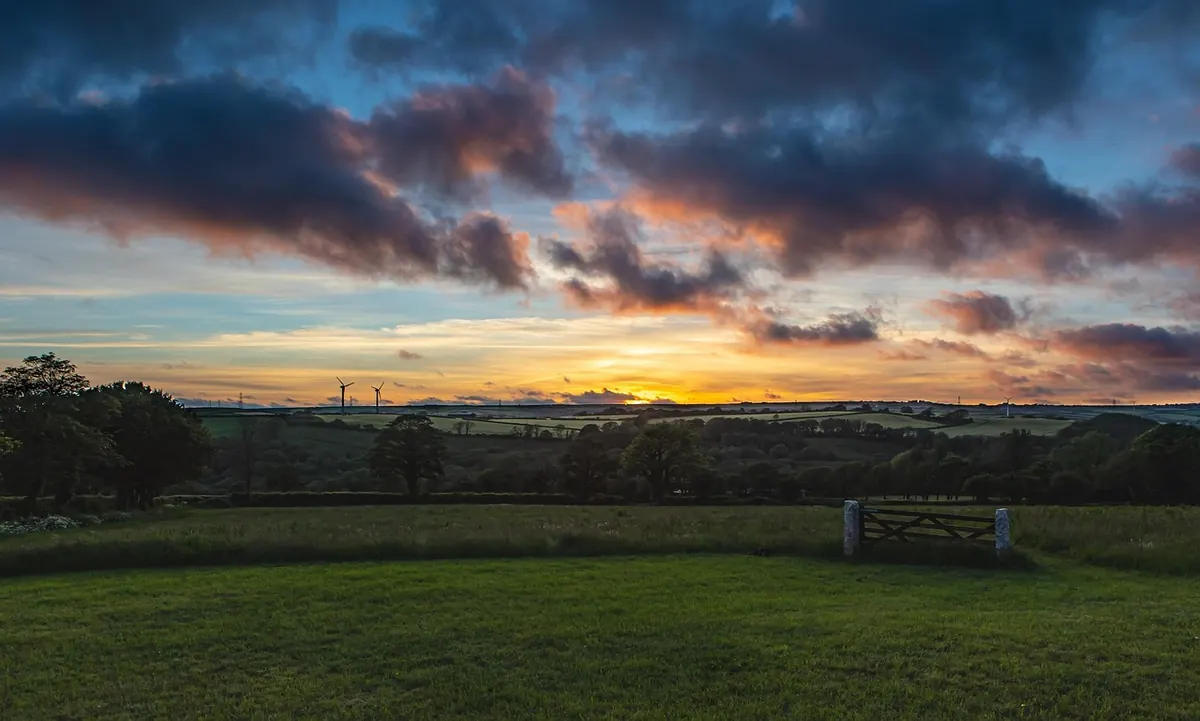
Ask your hosts two questions before you book: what will be happening on the farm during my stay, and what is happening in the village. The answers will tell you more about what your week will feel like than any photograph of a sunset over a field.
Before You Book
Be honest about what you want. If you need air conditioning, a pool and a short drive to a restaurant, say so — many farm stays offer none of these. If you want to be woken by a cockerel, help with the olive harvest, and eat what was picked that morning, you will find it, but usually with a gravel road, a few insects and no lift to the village. A car is close to essential outside the main towns.
Then pack for the season you are actually travelling in, not the one in the brochure. The reward for getting that right is a week that feels less like a visit and more like a small, temporary membership in the life of the place.
Photo: Damir K / Pexels