A welcome dinner is the first real meal of the wedding weekend, and at a rural Italian venue it sets the tone: unhurried, generous and slightly improvised in the best sense. Guests have travelled, checked in and changed clothes. They do not need a second formal reception. They need a cold drink, a clear seat, food that arrives without fuss and enough light to find their way back to the car. The checklist below is built around that simple aim. Work through it early, put names beside the tasks, and the evening will feel effortless to almost everyone.
Start With the Shape of the Evening
Before you taste a single menu, decide what kind of gathering this is. A standing aperitivo with substantial bites is a different event from a long family-style table under the trees. Both work in the countryside; mixing them without a plan does not. Set a realistic start time based on when the last shuttle or the first carload is likely to arrive. If guests are coming straight from the airport, allow a buffer. If they are staying on site, give them an hour to settle. A welcome dinner that begins at the stated time and runs for three hours is kinder than one that drifts toward midnight.
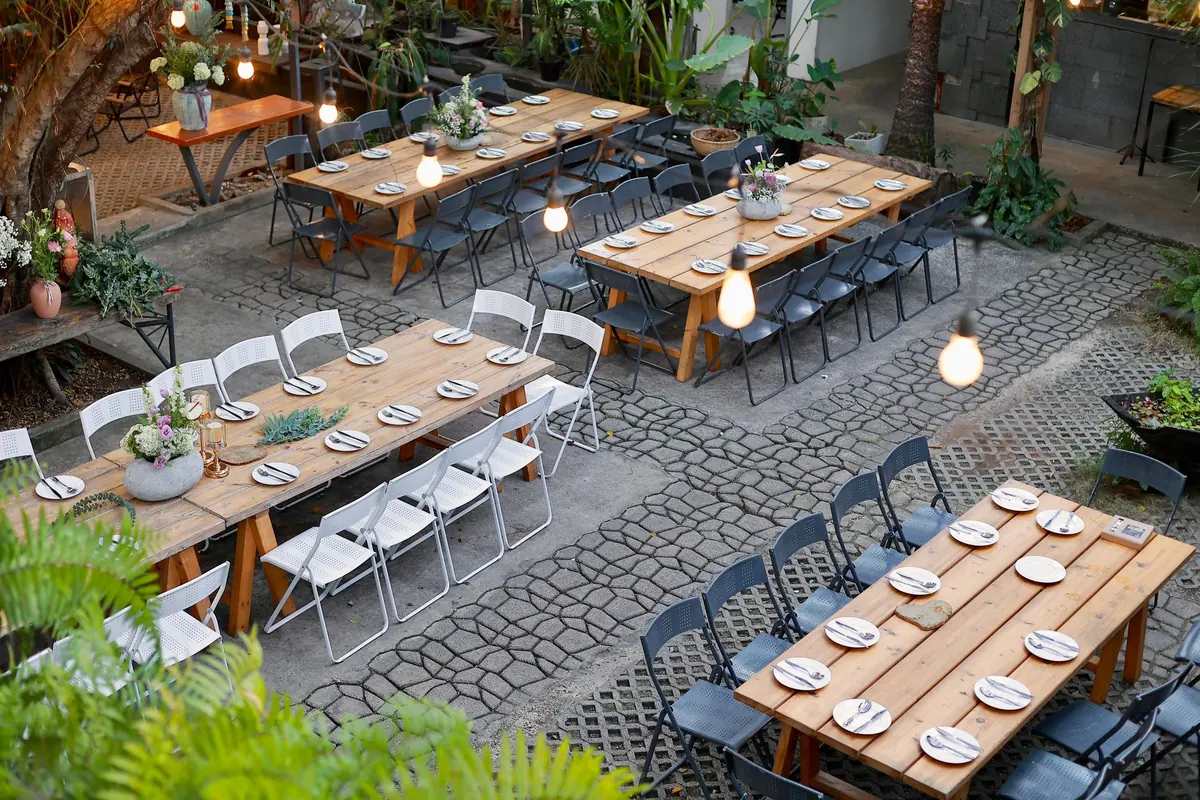
Choose a service style that suits the venue’s kitchen and your guest list. Family-style platters encourage conversation and reduce staffing pressure. A buffet needs wide, level serving areas and a plan for queues. Plated service looks polished but demands more space, more staff and tighter timing. Whatever you choose, write it down and share it with the caterer and the venue manager.
Think about who needs looking after: young children, older guests, anyone with limited mobility and anyone who has travelled a long way. Ask for a quiet corner, a few low chairs and a simple child-friendly option. These small provisions do more for the atmosphere than another floral arrangement.
Food and Drink That Hold Up Outdoors
Rural kitchens are often generous but not infinite. Confirm what the caterer can actually use on site: prep space, refrigeration, running water, power, waste disposal and a service area out of the sun. If the venue has a small kitchen, plan a menu that does not depend on last-minute frying or delicate plating.
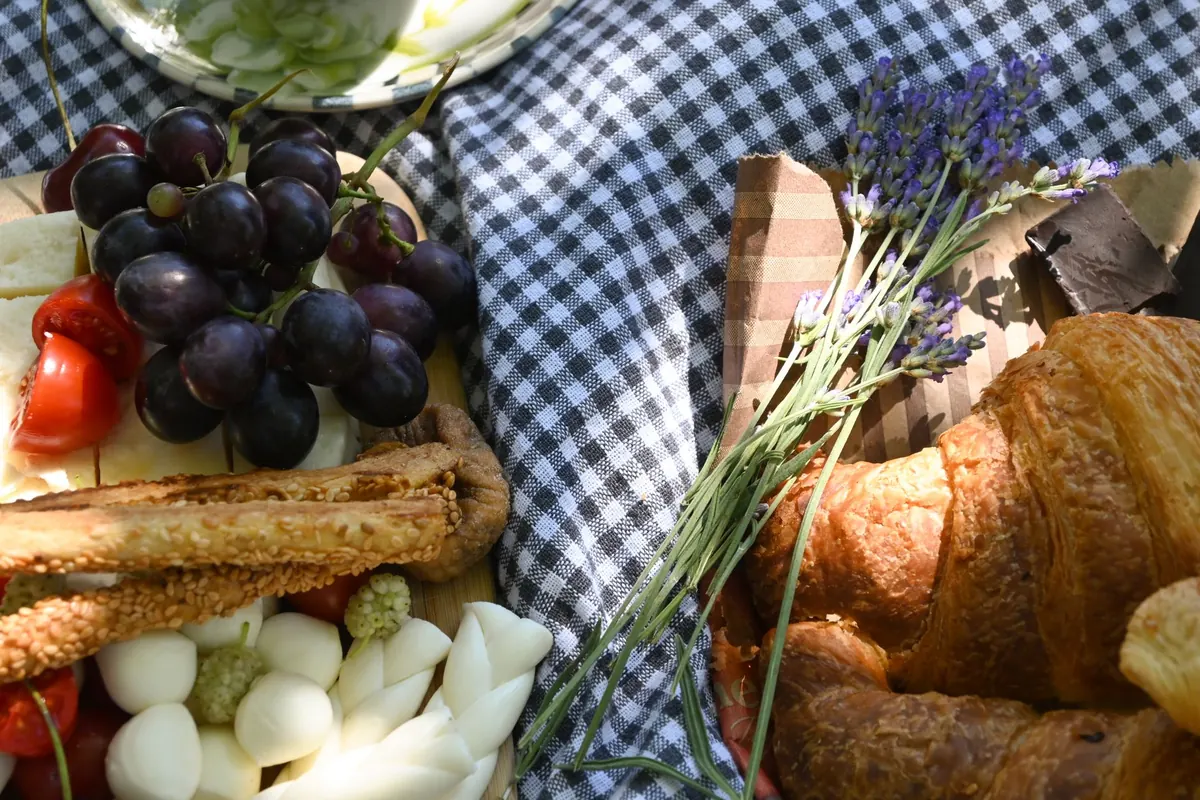
Build the menu around food that tolerates a short journey and a warm evening. Focaccia, grilled vegetables, cured meats, a simple baked pasta, roast meat, seasonal salads and fruit will usually serve you better than a complicated tasting menu. Keep the first hour simple: drinks, water and something salty within reach. Save the seated courses for when everyone has found their table.
Drinks need as much thought as food. Decide whether wine is served by staff or poured at the table, where water stations will sit and who keeps ice topped up. Offer a proper non-alcoholic option that is not an afterthought. If you are serving cocktails, keep the list short and make sure the bar has enough power and space.
Collect dietary needs in advance and label dishes clearly. If a guest has a serious allergy, speak to the caterer directly and confirm their protocol rather than relying on a checkbox on the RSVP. Ask the caterer these questions early:
- What time do you need access, and who unlocks the space?
- Which equipment do you bring, and what must the venue supply?
- How will you keep cold food cold and hot food hot?
- Who clears tables, and where does waste go?
- How many staff will be on site, and do they need a meal or a break area?
- What is your plan if service runs late or rain moves the setup?
Give the caterer one contact who can answer questions on the day. That person should not be the couple.
Light, Sound and the Comforts Guests Forget
Afternoon turns to dusk quickly in the countryside, and a beautiful view can become a dark path in twenty minutes. Walk the route guests will take after sunset: from parking to aperitivo, from table to toilets, from dinner to the shuttle. Add light where the route is unclear. Festoon lights, lanterns and low-level path markers are more useful than one bright floodlight.
Power is the quiet risk. Confirm which circuits can handle lights, music and catering equipment, and ask where cables will run so nobody trips. If the venue is remote, ask about a backup generator. Tape or mat cables, and keep them away from walkways.
Sound matters as much as light. Keep volume low enough for conversation, check whether the venue has a curfew or neighbours close by, and use a microphone for toasts. A small speaker system is usually enough; a full DJ set at a welcome dinner can overwhelm the room. Check the sound from the far end of the table, not just beside the speaker.
Then walk through the small comforts: insect repellent, lit toilets, hand-washing supplies, bins, water and a basket of wraps for when the evening cools. These are not glamorous details, but guests notice when they are missing.
Transport and Arrivals: The Last Mile Matters
Rural venues often sit at the end of a narrow road with no streetlights and patchy taxi coverage. Do not leave this to guests. A simple shuttle with one pickup point, one return time and a contact number is easier to manage than a fleet of cars arriving at different moments. If guests are driving, mark parking areas clearly and keep service vehicles separate.
Signage should start before the final turn. One sign at the junction and one at the gate is usually enough, but check that GPS directions are accurate by driving the route yourself. Ask a local to note the confusing turns. A welcome table with someone holding the guest list, seating plan and answers is worth more than another decoration.
Make clear that anyone driving will not drink, and provide a shuttle or designated drivers so that rule is easy to follow. Check local driving, noise and licensing rules with the venue; for contracts, insurance or anything legal, take proper local advice.
Build a Weather Plan You Can Actually Use
Every rural welcome dinner needs a rain plan, but “we’ll move inside” is not a plan. Decide where the indoor backup goes, how many people it holds, who makes the call and at what hour. If the backup space is a barn, check the floor, the lighting and the distance from the kitchen. If it is a marquee, check the sides, the weight of the roof and the walkway from the car park.
The decision point
Choose a trigger time, such as two hours before guests arrive, and a trigger condition. Rain, high wind and extreme heat all justify a change. Give one person the authority to make the call and tell the caterer, the venue and the transport coordinator at the same time. Guests should hear one clear message, not three conflicting ones.
The wet-weather kit
Keep umbrellas by the entrance, towels for wet seats, non-slip mats for smooth floors and rain covers for sound equipment. For heat, plan shade, water and a cool indoor option. For wind, use candles in glass, secure lanterns and avoid loose paper napkins and tablecloths that lift. Tell guests in advance that the evening will go ahead under cover if needed, so nobody spends the afternoon worried about the forecast.
The Final Week: Handover and Walk-Through
By the final week, the checklist should become a one-page timeline. It does not need to be beautiful. It needs to be clear enough for someone who has not read every email. Include the times for venue access, catering load-in, lighting and sound check, table setup, guest arrival, service, speeches, last shuttle and lock-up.
Assign one person to hold the master list