Most people book a rural venue the way they book a holiday: a few beautiful photographs, a warm reply to an email, and a deposit. Then, eight months later, they discover that the nearest hotel is twenty-five minutes away, that the neighbours can hear a band from the far side of the valley, and that the barn has three power sockets and a very old fuse board. None of these things ruins an event on its own. Together, they can turn a relaxed country celebration into a fortnight of phone calls.
The reassuring part is that every mistake below is easy to avoid, provided you ask the question early, while there is still room to change the plan. Here is what we see most often, and what to do instead.
1. Booking from a photo gallery instead of a site visit
Cameras are generous. They crop out the car park, the generator, the neighbour’s new build and the fact that the ceremony lawn slopes noticeably to one side. Before you commit, walk the venue in person, ideally at the same hour your event will take place, so you can see where the light falls and where the noise comes from.
What to look at when the photographer is not looking
- Power: how many sockets, where, and whether the electrics cope with a caterer’s oven and a band at the same time.
- Kitchens and service routes: can a caterer move hot food from the kitchen to the table without crossing the dance floor?
- Toilets: how many, and how far from the main room?
- Light: what works after dark, and who turns it on.
- The edge of the property: what is next door, and who else will be there that weekend.
If you cannot visit, ask for a video call walk-through with the person who will actually be on site on the day, not just a sales contact. Ask them to point the camera at the parts of the building they would not normally photograph.
2. Treating travel time as a detail
A venue that sits forty minutes from the city on a Tuesday map becomes seventy minutes on a Saturday in June, and longer still once guests miss the turn for the lane. The last kilometre matters more than the first fifty: narrow tracks, unlit corners and gravel are charming in daylight and a genuine problem at midnight in heels.
Drive the route yourself at the time your guests will drive it. Time it honestly. Then think about who is coming: grandparents who will not enjoy a dark country road, guests arriving by train, taxis that may refuse to come out that far, and the ten people who always leave last. Book transport early, and give drivers a pin, a written address and a phone number, because postcodes in the countryside are approximate at best. If you plan a shuttle, work out the last run before you fall in love with the venue, not after.
3. Assuming the sound limits are negotiable
Rural venues sit inside working landscapes. There are houses, farms and animals nearby, and the venue’s licence will usually reflect that. Ask directly: what time does amplified music have to stop, is that indoors or outdoors, who makes the call on the night, and what happens if a neighbour complains?
Then design the evening around the answer. A string trio for the ceremony, a playlist with a curfew-friendly finish, or moving the party inside at a set hour can all work beautifully if you plan for them. What rarely works is discovering the limit at 11pm with a dance floor full of people and a DJ who has just been told to turn it down. Ask, too, about the room itself: stone walls and hard floors can make a small band sound enormous, which is not always the effect you want.
4. Leaving the weather plan to chance
Country weather changes its mind. The mistake is not failing to predict it, but failing to agree in advance what happens if it rains, blows, or turns unusually hot. Ask what covered space exists, whether side walls or heating can be added, how quickly a marquee-adjacent area can be closed in, and whether the ground outside stays walkable after a downpour.
Good backup plans are small and rehearsed. Where do 90 people go if the ceremony cannot be outside? Who decides, and by what hour? Where do wet coats go? Is there shade for guests during a long, hot afternoon, and water available without a queue at the bar? A plan that requires moving the whole event to another building is not really a plan. A plan that shifts the ceremony thirty metres and hands out blankets usually is.
5. Guessing the guest count, then letting it drift
Numbers touch everything: seating, catering, transport, the size of the room you need and the final invoice. Ask about capacity in the configuration you actually want, not the maximum the venue can hold standing up. Ask what the deadline is for confirming final numbers, how later additions are handled, and whether children, suppliers and evening-only guests count towards the total.
It also helps to know what else is happening that week. If another event is booked the day before, your set-up window may be shorter than you assumed, and your florist will need to know that before they plan their schedule.
6. Skimming the agreement and assuming everything is included
“Exclusive use” can mean the whole property or just the barn. “Tables and chairs” may not include linen. Read the inclusions line by line and ask what is not there: crockery, glassware, refrigeration, cleaning, waste removal, staff, insurance, alcohol licensing. If you are bringing in your own caterer, confirm kitchen access, loading times and any insurance documents they must provide.
Pay attention to the payment schedule, cancellation and postponement terms, and what happens if numbers fall rather than rise. Get everything you have agreed in writing, including the small verbal promises, and keep it in one document. Where the sums involved are significant, it is sensible to take proper advice before signing.
7. Forgetting the guests who are not in their thirties
Country venues are full of uneven ground, steps, gravel and long walks between the ceremony and the loos. None of that is a problem if you have thought about it: a drop-off point near the entrance, lighting along the path, a few chairs placed where older guests can rest, and a quiet room for anyone who needs half an hour away from the music.
Do the same thinking for children and for the last hour of the night. Water features, open fires, animals and old machinery all need boundaries. And somebody should be responsible for getting everyone home, including the guests who insisted they would be fine to drive.
Before you sign: a short checklist
Visit in person, at your event’s hour. Drive the route on a busy day. Ask for the sound curfew in writing. Agree the wet-weather plan with a named decision-maker and a cut-off time. Confirm the capacity in your layout and the final-numbers deadline. Read the inclusions list and the cancellation terms twice. Then put every answer in one email and ask the venue to confirm it.
The right venue will welcome those questions. If a question makes someone uncomfortable, that is useful information too.
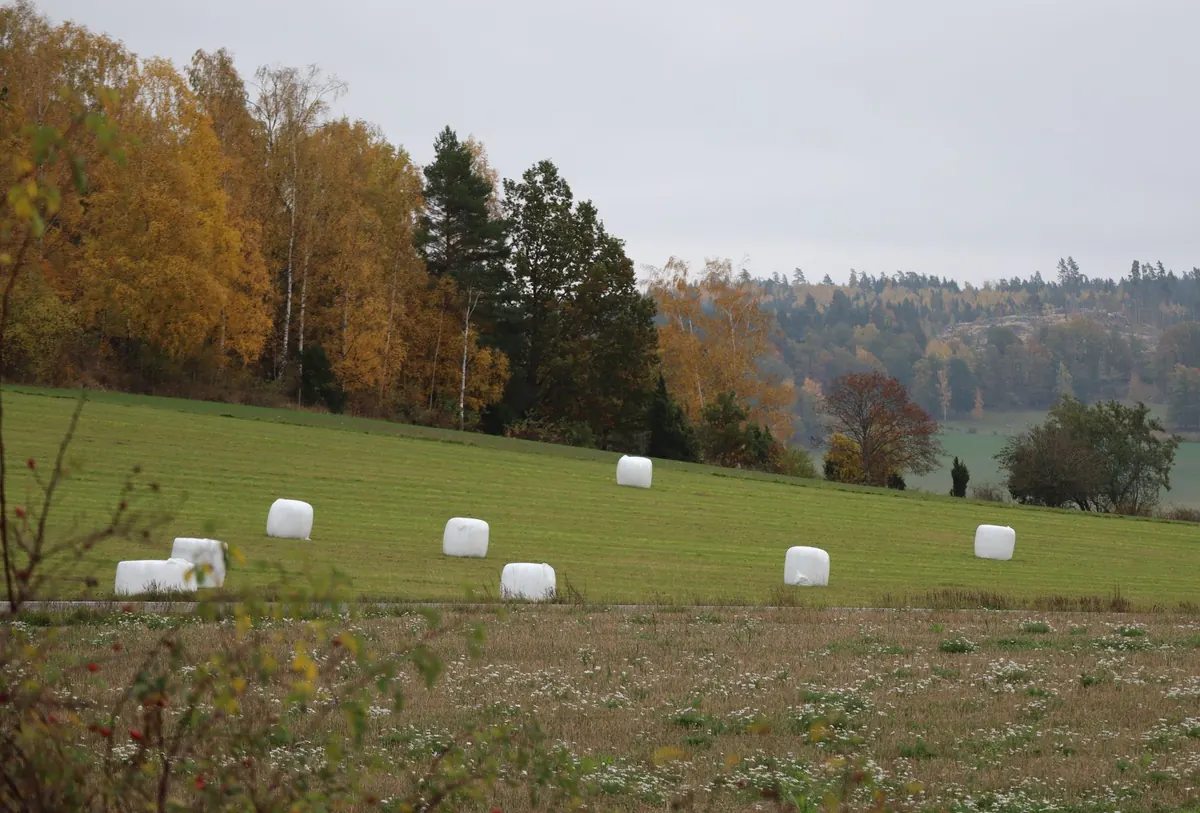
Photo: vargazs / Pixabay