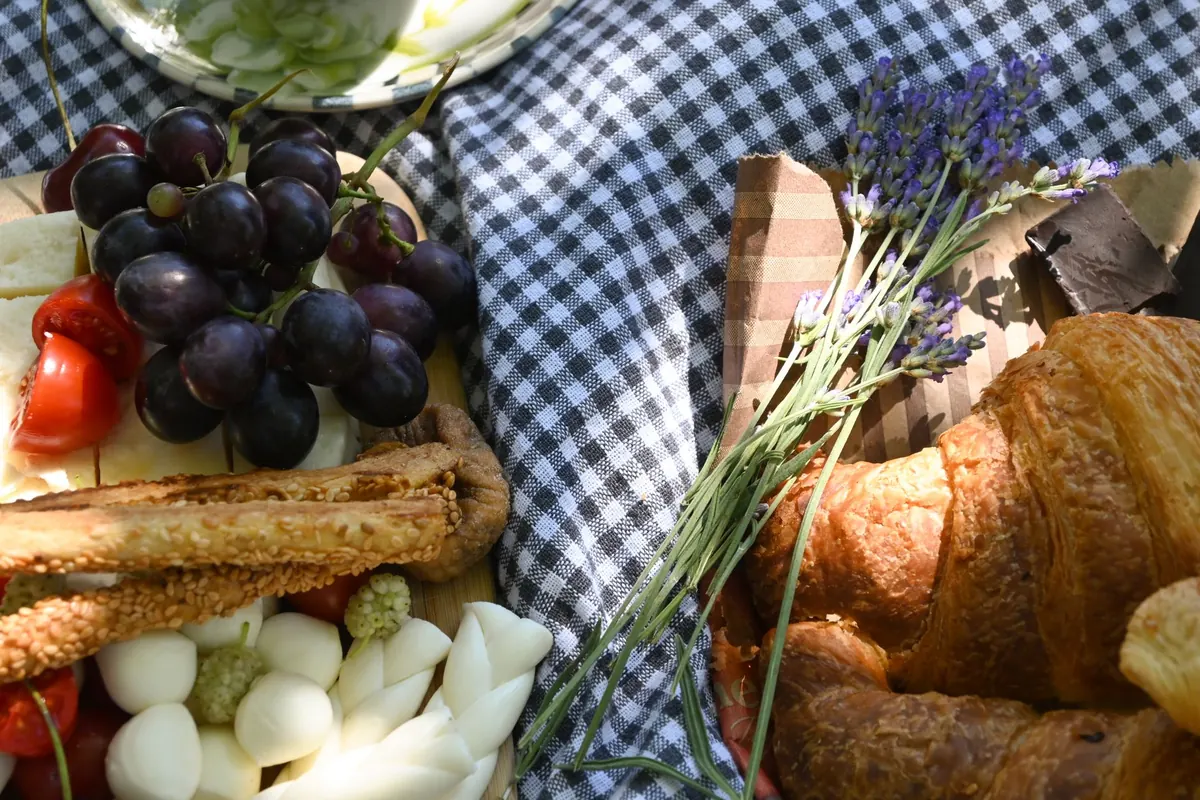
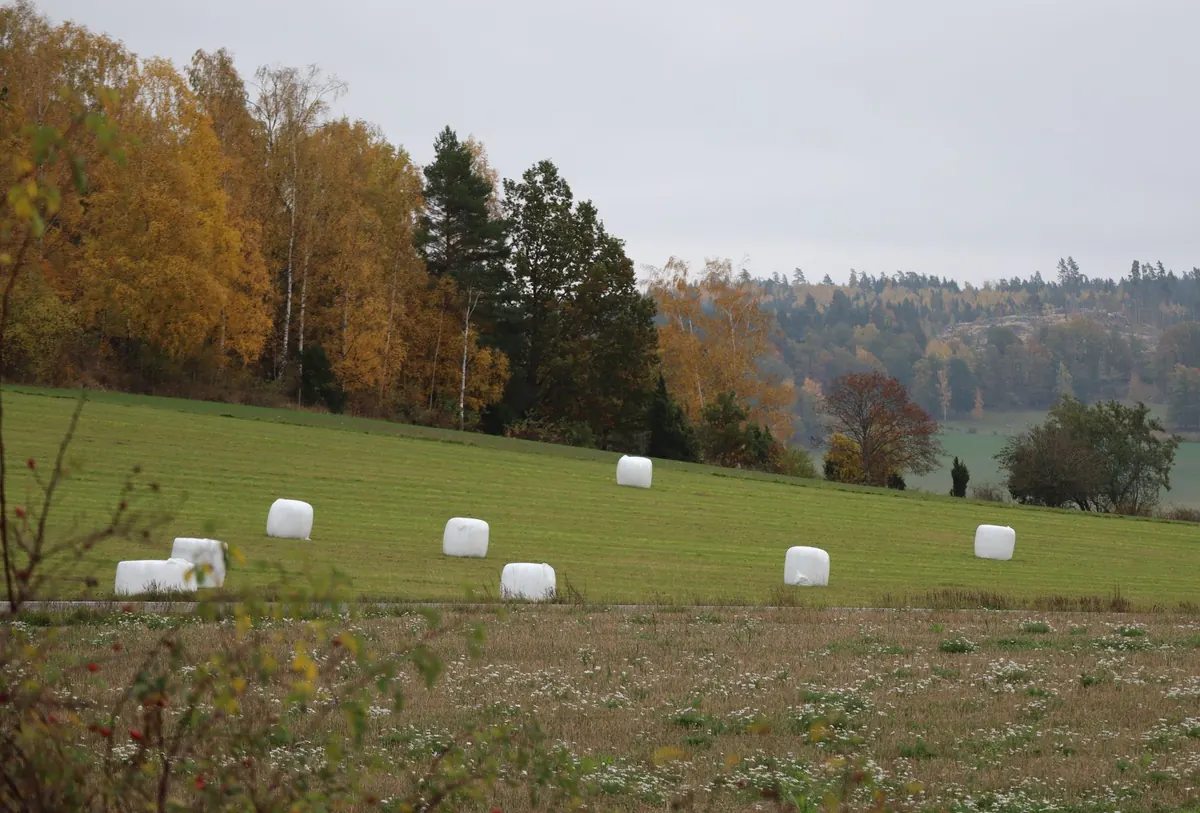
An anniversary party at a rural estate has a particular charm that no city venue can imitate. Guests arrive along a gravel track instead of a taxi rank, the aperitivo happens under a tree, and by ten in the evening the only sound competing with the conversation is the cicadas. But that same setting that makes the evening memorable is also what makes the planning different. There is no loading bay, no duty manager in the lobby, and no corner shop if you forget the ice.
The good news is that a country estate rewards preparation more than it punishes it. Below is a working method for pulling a private anniversary celebration together, from the first conversation about numbers to the last set of car keys handed back at the gate.
Start with the guest list, then let it shape everything else
Almost every other decision hangs on the number of people you invite, so settle this before you fall in love with a table plan or a marquee size. Write three lists: the people the anniversary is actually about, the people who would be genuinely hurt to be left out, and the people you would like to include if there is room. The third list is the one you trim.
Be realistic about what a rural setting asks of guests. An estate that is perfect for eighty guests who live within an hour may be impractical for eighty guests who need flights, trains and a lift from the nearest station. If a good share of your list is travelling, think about whether you want to help arrange local accommodation for the night, and whether the party should start earlier to allow people to drive home afterwards.
Two practical points worth settling early:
- Children and plus-ones. Decide the rule and apply it evenly. "We are keeping it to adults this time" is perfectly acceptable, as long as nobody discovers the rule on arrival.
- Seating versus standing. If you want speeches and a served meal, assume most guests will want a seat for at least part of the evening. Buffet-style formats give you more flexibility but need wider circulation space.
Choose the date, then work backwards
If the anniversary date is fixed, you are choosing the day around it, not the other way round. If it is flexible, look at late spring and early autumn first: mild evenings, no need to fight the heat, and a better chance that the outdoor spaces do the work of the decoration. In high summer, plan the ceremony and aperitivo for late afternoon and let the dinner run into the cool hours.
Then work backwards with a simple calendar. Six to nine months out is comfortable for a private party of this kind; three months is possible with a smaller guest list and a relaxed format. Set internal deadlines for the guest list, the caterer, the music, and the final numbers, and give your venue a firm date by which you will confirm.
Timing that guests actually feel
Arrival is the moment to get right. Guests who arrive to nothing to do will cluster by the car park. Arrange a welcome drink and a small something to eat within fifteen minutes of the stated start time, and put a person there whose only job is to greet people and point them towards the terrace, the cloakroom and the drinks.
Allow speeches a fixed slot rather than letting them arrive at random. Forty minutes, after the main course and before dessert, is usually enough for warmth without restlessness. If there are many speakers, cap each one at a few minutes and tell them the cap in advance.
Food and drink: find a caterer who knows rural kitchens
The single most useful question to ask a caterer is not about the menu. It is: have you worked in a venue like this before? A converted hay barn with one domestic oven and a single sink is a different proposition from a hotel kitchen, and the best caterers will walk the space, check the power supply, and tell you honestly what they can produce on site and what needs to be prepared elsewhere.
For a rural anniversary, food that holds its temperature and looks after itself has a real advantage: slow-cooked dishes, generous boards, a grill working outside, a cold table for the hot part of the day. Consider how the meal fits the setting. A long table under a pergola with one or two beautifully done courses will usually beat a complicated five-course menu that keeps guests seated for three hours.
Drink deserves the same thinking. Ask who is supplying and chilling the wine, whether there is enough refrigeration on site, and where the ice is coming from. Water should be available all evening, not only at dinner, and a good alcohol-free option means the drivers and the non-drinkers are not stuck with orange juice. If you are serving alcohol, arrange transport for anyone who needs it and make that easy to book rather than awkward to ask for.
Decor that belongs in the countryside
The easiest mistake is to decorate as though the party were happening indoors in a city. Resist it. The stone, the timber, the long views and the light are already doing most of the work, and your additions should support them rather than compete.
Think in terms of a few generous gestures instead of many small ones. One long run of foliage and candles down the table, a cluster of lanterns on the terrace, a comfortable seating corner with rugs and low light for the people who want to talk rather than dance. Choose a palette that responds to the surroundings — soft whites, greens, warm clay tones — and repeat it consistently in the napkins, the flowers and the stationery.
Two things to plan around rather than fight:
- Wind and insects. Open flames need glass or deep holders on an exposed terrace, and citronella or screened lanterns keep the evening comfortable without turning the party into a chemical fog.
- Ground surface. Gravel, grass and old stone floors punish thin heels. Tell guests in the invitation that the setting is rustic, and put a basket of flat sandals or a few firm walkway mats where the path is uneven.
Plan the boring logistics properly
This is the part nobody photographs and everybody notices when it goes wrong. Walk the site as if you were a guest arriving for the first time: can you find the entrance, is the parking obvious, is there a clear route to the bathrooms, is there light along the path after dark?
Confirm the following with the estate in writing before the week of the party: the access time for suppliers, where vehicles can load and unload, the power available and whether a generator is needed, whether the band's equipment will draw more than the supply allows, and what time the music must stop. Ask about noise and neighbours — an estate on the edge of a village may have an agreed curfew, and it is better to know that in June than at eleven at night.
Have a wet-weather plan that is genuinely usable rather than theoretical. If the plan is a marquee or a covered barn, check the capacity with the tables in place, not empty.
A working order of events
Adapt the times to your season and your guests, but keep the shape of it. A generous gap between arrival and dinner, and a shorter gap between dinner and dancing, keeps the evening moving.
- Two hours before guests arrive: suppliers finished and off site, tables set, candles placed, music tested, staff briefed.
- Arrival: welcome drinks and light bites on the terrace; someone greeting at the entrance.
- Forty-five minutes in: guests move to the dining area, seating plan visible at the entrance.
- During the main course: short speeches, then dessert and coffee.
- After dinner: lights lowered, music up, cake cut a little later when people are already on their feet.
- Late evening: something savoury for the people still dancing, transport called in good time.
The practical closing checklist
Two weeks out, confirm final numbers with the caterer and the estate, send the schedule to anyone with a role, and put one person in charge of the things you cannot do yourself on the day — collecting gifts, keeping an eye on elderly guests, calling cars. Pack a small box of useful things: scissors, tape, matches, a spare pair of flat shoes, plasters, a phone charger and a printed copy of every contact.
On the day, hand the timeline to someone else and let yourself be a guest at your own party. If something slips, it will be a detail nobody else has noticed. Do one last walk of the site at dusk, check the path lighting, and then leave the rest alone — the estate has been hosting celebrations far longer than any of us, and it will hold the evening well.